
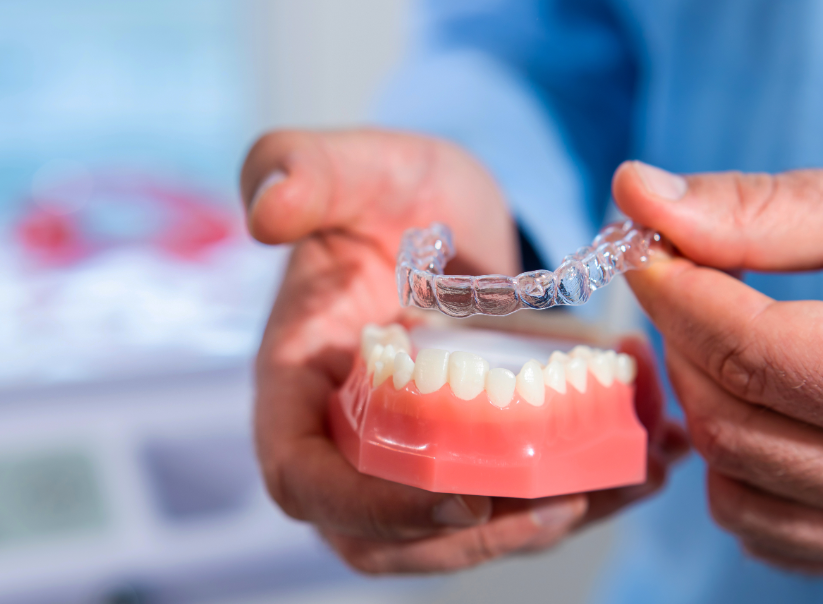
Invisalign has become a popular alternative to traditional braces, offering a discreet way to gradually straighten teeth and improve bite alignment. The removable clear aligners can also make daily brushing and flossing easier than they may be with brackets and wires.
Like any orthodontic treatment, however, Invisalign can come with some potential complications. Understanding these possibilities can help you know what to expect and have a more informed conversation with your dentist or orthodontist.
Temporary Discomfort
It’s normal to experience some pressure or tenderness when you first start wearing a new set of aligners. After all, the aligners are designed to gradually move your teeth into new positions.
You may also notice some minor irritation along your cheeks, lips, or gums as your mouth adjusts to the aligners. These issues are typically temporary and tend to improve as you become accustomed to wearing them.
Changes to Your Speech
Some patients notice a slight change in their speech when they first begin wearing Invisalign. You may develop a temporary lisp or notice that certain sounds feel different with the aligners in your mouth.
Fortunately, your mouth usually adjusts with time. Speaking and reading aloud can help you become accustomed to wearing your aligners and get your speech back to normal.
Difficulty Keeping Aligners Clean
Because Invisalign aligners sit directly against your teeth for much of the day, keeping them clean is important. Failing to properly clean your aligners can allow bacteria and plaque to accumulate.
Your dentist can provide instructions for cleaning and caring for your aligners. You’ll also need to continue brushing and flossing your teeth regularly to help protect your oral health throughout treatment.
Treatment Requires Commitment
One of the benefits of removable aligners can also be a potential challenge: you have to remember to wear them.
Invisalign treatment works when patients consistently follow their treatment instructions. Frequently removing your aligners or forgetting to put them back in can interfere with your progress and potentially extend treatment.
You’ll also need to keep track of your aligners and bring them with you when appropriate. Fortunately, building them into your daily routine can make compliance much easier.
Invisalign Isn’t Right for Everyone
While Invisalign can address many orthodontic concerns, it isn’t necessarily the best option for every patient or every case. The complexity of your tooth alignment, bite, and other oral health factors can affect whether clear aligners are appropriate.
That’s why a professional evaluation is such an important first step. Your dentist or orthodontist can examine your smile, discuss your goals, and determine whether Invisalign is a suitable treatment option.
The Benefits Can Outweigh the Risks
For the right candidate, Invisalign can offer several advantages. The aligners are clear and removable, allowing many patients to straighten their teeth without the appearance of traditional braces. Removability can also make it easier to brush and floss thoroughly and enjoy meals without orthodontic appliances getting in the way.
As with any treatment, there are potential drawbacks, but your dental professional will consider your individual needs before recommending Invisalign. Proper guidance and following your treatment instructions can help you get the most from your aligners.
A personalized evaluation can help you decide whether a clearer path to a straighter smile is right for you.
About the Practice
Main Street Pediatric Dentistry & Orthodontics provides dental and orthodontic care for children and teens, including Invisalign treatment for appropriate candidates. The practice focuses on creating personalized treatment plans that support healthy, confident smiles in a comfortable environment.
Call us at (925) 575-8878 or schedule your appointment online